- Best value — Amazon Basics 100-count: good for regular rotation and low-drain clocks.
- Long-life leader — Energizer 48-count: holds voltage longer under heavier clock mechanisms.
- Bulk powerhouse — Amazon Basics 300-pack: suits offices or disciplined FIFO storage.
Quick picks
Pick by priority: value, life, or volume


Battery basics How tiny currents, voltage sag, and shelf life drive clock performance
Why clocks are a low‑drain special case
Most household wall and mantel clocks are very low-drain devices. Basic quartz movements and analogue stepper motors typically draw tens to a few hundred microamps between steps; digital clocks with LED/LCD displays or radios can draw milliamps when active. That order-of-magnitude gap explains why the priorities for clock batteries differ from phones or cameras.
Voltage thresholds and timekeeping
Clocks keep time as long as the cell can deliver a steady voltage and short step pulses. Practically speaking, many movements will continue running until cell voltage falls into the ~1.1–1.3 V range, but accuracy and step torque can degrade earlier. When internal resistance rises, brief current pulses for stepping cause voltage sag; repeated sagging can produce skipped or slow steps and visible time drift.
Slow sag and leakage are the real enemies
Two slow processes matter more than headline capacity for clocks:
- Self‑discharge / shelf life: fresh alkaline cells lose only a small fraction of capacity per year; older stock or long-sitting packs can be effectively weaker even at full label capacity.
- Internal leakage and rising internal resistance: increases with age and poor storage, causing larger voltage dips under the brief loads that matter for accuracy.
Because of this, a fresh, low self‑discharge alkaline often outperforms a high‑drain marketed cell in a clock. For wall clocks, prioritize recent manufacture dates and long shelf life over high‑pulse ratings intended for cameras and toys.
Buying checklist
Checklist: what matters when buying AA packs for clocks
- Chemistry and drain behavior
Clocks are low‑drain devices that favor a steady voltage. Fresh alkaline cells usually give the most consistent timekeeping; low‑self‑discharge NiMH is an option when rechargeability is needed but may behave differently under some movements.
Look forfresh alkaline or labeled low‑SD NiMHAvoidzinc‑carbon or unspecified chemistries - Manufacture date and shelf life
Date‑stamped packs and explicit shelf‑life claims indicate fresh stock and good storage. Older or undated bulk cells can lose voltage before first use, degrading clock accuracy.
Look forclear manufacture date and long shelf‑lifeAvoidno date or vague freshness claims - Normalized cost per usable life
Compare price after normalizing for expected months of useful service in a clock; a lower unit price is not savings if cells die quickly. Factor expected runtime rather than headline cost per battery.
Look forcost normalized to expected usable lifeAvoidchoosing on sticker price alone - Pack size, protection, and warranty
Match pack size to turnover — large industrial packs suit shops, smaller sealed packs suit homeowners — and prefer packaging that protects terminals and supports FIFO. Also check warranty terms and return policies because commercial buyers will prioritize volume, shelf life, and service while homeowners prioritize freshness and protective packaging. See how pack size impacts timing in replacements: how pack size affects replacement timing.
Look forpack size that fits turnover, sealed protection, clear warrantyAvoidloose bulk with no protection or warranty
Evaluation methodology
Testing targeted microamp, low‑drain behaviour typical of wall and mantel clocks: packs ran on simulated clock loads to log steady voltage and usable hours. Samples had date codes and packaging checked, cost‑per‑cell normalized to projected clock‑use life, and simple leakage/terminal checks; always test a sample from your pack at home. Limits: small-sample, room‑temperature trials that do not capture long‑term storage or abusive conditions.
- Low‑drain simulated testing
Cells were run under microamp loads until voltage dropped below a clock‑relevant threshold, recording steady voltage and practical usable hours rather than peak capacity.
- Date codes & cost normalization
Packaging and date codes were inspected to avoid aged stock; cost per cell was normalized to projected usable life in clocks to compare real value across pack sizes.
- Leakage, terminals & limits
Visual terminal checks and simple leakage tests flagged obvious factory defects; methodology limits include small samples and no accelerated ageing, so spot‑checking new bulk buys is advised.
Household Bulk Pick
Best-value household bulk AA
01 Great bulk option for clocks and remotes
A 100‑count pack of standard 1.5V alkaline cells aimed at households that want lots of reliable batteries for clocks, remotes, and spare use. The large quantity drives down the unit cost and is ideal where steady low‑drain voltage matters more than peak capacity. Best used with a simple FIFO routine to avoid long storage of opened cells.
- Very low cost per cell for large households
- Manufacturer-rated 10‑year shelf life
- Consistent voltage suitable for low‑drain clocks
- Easy to stock multiple rooms
- Huge pack can outlast typical household turnover
- Not optimized for high‑drain devices
- Some listings lack individual blister protection
Big quantity, small unit cost — practical for households. The pack delivers dependable alkaline performance in low‑drain clocks and similar devices. Ten‑year shelf life is a manufacturer claim; proper cool, dry storage and FIFO rotation determine actual serviceable life. Buyers should temper longevity expectations, check date codes, and avoid using the pack for high‑drain electronics.
Long-life leader
Energizer 48‑Pack — steady-voltage, long‑store cells
Top choice for long-life power
A 48-count Energizer MAX AA pack positioned for users who want consistently stable voltage and long shelf life rather than the lowest unit cost. Suits clocks and timing devices that benefit from tight voltage under load—especially wall and bedside clocks with motors, lights, or radio receivers—while also offering the convenience of a bulk box for household rotation.
- Very stable voltage during discharge compared with many value brands
- Consistent cell construction translates to predictable clock accuracy
- Long shelf life (rated up to 10 years) and leakage protection warranty
- Higher cost per cell than economy bulk packs
- Bulk 48 pack is moderate volume—less unit savings than 100‑count options
Key specs
Energizer E91DP-24 (48 Count) — technical snapshot
Commercial 300‑pack
Bulk powerhouse for installers
Massive 300-pack for offices and labs
A 300‑count carton of standard alkaline AA cells positioned for commercial buyers, maintenance crews, and installers who deploy large quantities at once. Suited to operations that turnover batteries rapidly and can ingest large shipments into disciplined inventory systems. Not designed for single‑household, long‑term shelving without active rotation.
- Extremely low per‑cell cost
- Huge immediate inventory for mass deployments
- Manufacturer 5‑year shelf‑life claim
- Standard alkaline chemistry compatible with clocks
- Minimal individual cell protection in bulk carton
- Higher risk of aged or damaged cells if stored long term
- Mixed date codes and lot variability possible
- Requires substantial storage space and handling
Storage & rotation Simple steps to keep bulk AAs fresh and ready
Storage and rotation that actually works
How to store and rotate bulk AA packs
Store bulk packs sealed in their original packaging until needed. Keep packs in a cool, dry place away from direct heat and sunlight and avoid metal boxes that can short terminals.
When opening a pack, mark the date and place a visible “opened” label. Use a strict FIFO system: newly opened cells go to the back of the organizer and the oldest go to the front. Never mix noticeably older cells with fresh ones in the same device.
Practical rotation steps:
- Inspect date codes and reject bulging or corroded cells.
- Transfer opened cells into clear holders or trays grouped by month opened.
- Use small, labeled bins for 10–20 cells so clocks can be serviced without opening large packs.
- Check stored cells every few months for leakage.
Recommended organizers that reduce waste:
- snap-shut AA trays (stackable, clear) for visibility
- 4–8 slot plastic holders for daily service kits
- dispenser caddies with spring-release for one-handed access
These choices make FIFO simple, lower the chance of mixing ages, and reduce discarded cells from forgotten packs.
Quick checklist
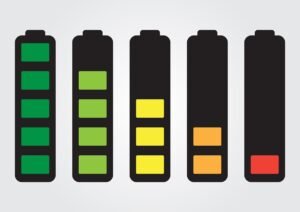
Keep packs sealed until use Mark opened packs with date Use FIFO: oldest cells first Store in clear, non‑metal organizers Inspect periodically for leakageClimate & demand Adjust selection for temperature, moisture, and high current draws
When climate or clock type changes the choice
Low temperatures
Alkaline capacity and voltage sag in cold conditions; cells that perform well at room temperature can lose significant usable energy near freezing. For installations exposed to cold, consult guidance on bulk batteries for cold environments — consider higher‑grade chemistries (lithium AAs) or keep clocks in thermally stable housings. The Energizer 48‑count pack is often chosen where steadier voltage is needed for marginally higher drains.
Humidity and corrosion
Store bulk packs in airtight containers with a small silica desiccant pack. Inspect opened bulk boxes for rust or leakage and mark production dates. High humidity accelerates terminal corrosion and shorting, especially in cheaper retail packaging like large loose 300‑packs.
Chiming, LED, and smart clocks
Clocks with LEDs, frequent chimes, or wireless modules draw pulses of current — higher internal‑current cells (premium alkalines or low‑resistance NiMH rechargeables) will last longer than economy cells under those loads.
FAQ
Rechargeables, Pack Size, and When to Test
Are rechargeable AAs worth it for clocks?
Clocks draw very little current, so low‑self‑discharge NiMH will run them and save money over many cycles, but NiMH’s 1.2 V chemistry can alter movement performance in some older or motorized clocks. For a deeper comparison, see are rechargeable AA packs worth it?
How to choose pack size versus turnover?
Match pack size to expected annual use: small households benefit from 48–100 packs to avoid long storage, while installers justify 300‑packs if turnover and storage controls exist. Always plan FIFO, seal opened cells, and label dates.
When should a sample be tested from a bulk shipment?
Test a few cells immediately on receipt—one from the front, middle, and end—especially for large bulk shipments. Also retest any pack with an old date code or signs of shipping damage.
What quick tests catch bad cells before deployment?
Measure open‑circuit voltage and a loaded voltage with a small resistor; a fresh alkaline should be near 1.5 V open and hold close under load. Check for leakage, swelling, or missing date codes before storage.
Takeaway
Final checklist and picks
- Freshness usually matters more than raw capacity for microamp clock draws.
- Choose pack size to match realistic replacement cadence before committing to bulk.
- Label opened packs and rotate FIFO to cut waste and leakage risk.
For household use, the Amazon Basics 100-count suits value-focused low‑drain clocks; the Energizer 48-count fits clocks needing steadier voltage (LEDs/chimes); the Amazon Basics 300-pack is best when turnover is rapid and strict stock discipline is possible. Start by measuring drain and identify the right clock battery for each model. Core takeaway: match bulk choice to replacement cadence and storage discipline, not just unit price.
Six-step actionable checklist: 1) Measure clock drain and classify as low/medium/high; 2) Pick pack size to match turnover (100 for households, 48 when steady voltage matters, 300 only if used quickly); 3) Verify date codes and freshness; 4) Test a sample cell from every new pack for voltage/leakage; 5) Store sealed in cool, dry conditions; 6) Rotate stock FIFO and mark opened packs.
Alternatives to Bulk Aa Batteries For Clocks
3 Battery Organizer Boxes for AA Batteries: Store Spares Safely and Find Them Fast