Brass Sundial Compass with Chain
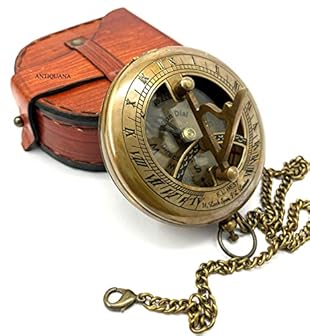
Best Brass Sundial Compass with Chain help shoppers choose a timepiece that fits their home, routine, and budget. This guide explains the most important details to compare before buying, including ...
A working sundial tells time from the Sun’s shadow. Check the dial type and intended latitude before choosing by appearance. A garden dial, a wall dial and a portable compass sundial need different setup information. Read the instructions for the actual model and location.

Best Brass Sundial Compass with Chain help shoppers choose a timepiece that fits their home, routine, and budget. This guide explains the most important details to compare before buying, including ...

Best Brass Compass Sundial Clocks help shoppers choose a timepiece that fits their home, routine, and budget. This guide explains the most important details to compare before buying, including ...

Best Outdoor Sundial Clocks help shoppers choose a timepiece that fits their home, routine, and budget. This guide explains the most important details to compare before buying, including design, ...

Chrome Direction Sundial Compass bring everyday timekeeping into homes, offices, and family spaces in a way that can also support décor. The best model should be easy to read, simple to use, and ...
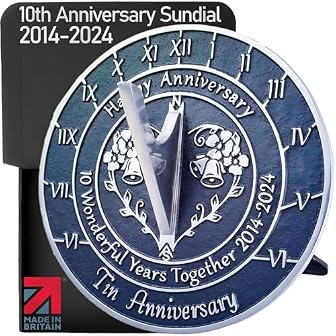
Best Sundials For Home help shoppers choose a timepiece that fits their home, routine, and budget. This guide explains the most important details to compare before buying, including design, ...

Best Sundials For The Garden help shoppers choose a timepiece that fits their home, routine, and budget. This guide explains the most important details to compare before buying, including design, ...
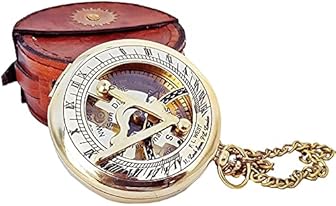
Best Brass Sundial Push Open Compass help shoppers choose a timepiece that fits their home, routine, and budget. This guide explains the most important details to compare before buying, including ...
Best Antique Brass Sundial Clocks help shoppers choose a timepiece that fits their home, routine, and budget. This guide explains the most important details to compare before buying, including ...
Nautical Brass Sundial Clocks help shoppers choose a timepiece that fits their home, routine, and budget. This guide explains the most important details to compare before buying, including design, ...

Best Brass Sundial Open Compass help shoppers choose a timepiece that fits their home, routine, and budget. This guide explains the most important details to compare before buying, including design, ...
Best Anniversary Sundial Clocks help shoppers choose a timepiece that fits their home, routine, and budget. This guide explains the most important details to compare before buying, including design, ...
Best Garden Decor Sundial Clocks help shoppers choose a timepiece that fits their home, routine, and budget. This guide explains the most important details to compare before buying, including design, ...
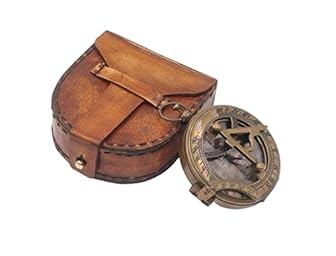
Best Directional Magnetic Sundial Compass help shoppers choose a timepiece that fits their home, routine, and budget. This guide explains the most important details to compare before buying, ...
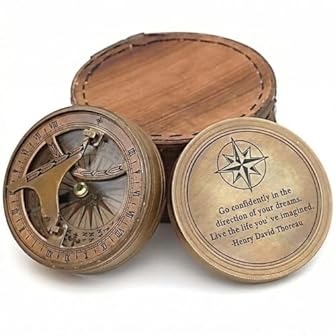
Best Vintage Magnetic Sundial Compass help shoppers choose a timepiece that fits their home, routine, and budget. This guide explains the most important details to compare before buying, including ...
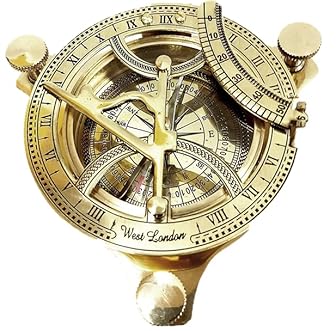
Best Solid Brass Sundial Compass help shoppers choose a timepiece that fits their home, routine, and budget. This guide explains the most important details to compare before buying, including design, ...
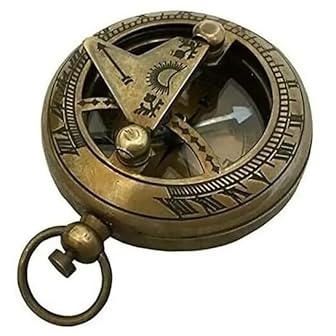
Best Working Pocket Sundial Compass help shoppers choose a timepiece that fits their home, routine, and budget. This guide explains the most important details to compare before buying, including ...
Best Antique Brass Pocket Sundial Compass help shoppers choose a timepiece that fits their home, routine, and budget. This guide explains the most important details to compare before buying, ...

Brass Sundial Compass with Leather Case 2026 help shoppers choose a timepiece that fits their home, routine, and budget. This guide explains the most important details to compare before buying, ...

Steampunk Sundial Clocks help shoppers choose a timepiece that fits their home, routine, and budget. This guide explains the most important details to compare before buying, including design, ...
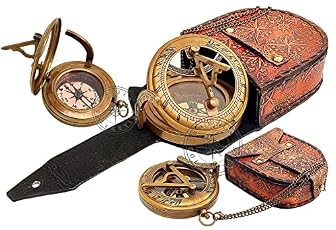
Best Antiquated Finish Sundial Clocks help shoppers choose a timepiece that fits their home, routine, and budget. This guide explains the most important details to compare before buying, including ...
Best Beautiful Handmade Gift Sundial Clocks help shoppers choose a timepiece that fits their home, routine, and budget. This guide explains the most important details to compare before buying, ...
Observe whether sunlight reaches the proposed dial location at the times you want to read it.
Check whether the model is horizontal, wall-mounted or portable, then find its latitude and setup instructions.
Follow the instructions for that design; do not apply one orientation or mounting rule to every sundial.
Check the date and local clock-time corrections, including any already built into the dial, before judging its reading.
Shortlist a sundial only after checking sunlight, dial type and installation requirements. If the listing does not establish the latitude or setup method, obtain that information before treating it as a working timekeeper.
Sunlight must reach the dial to cast a readable shadow. A shaded site may prevent a reading, even during daylight.
A sundial reads the Sun’s shadow. Use another clock when sunlight is unavailable.
Yes. A horizontal dial’s geometry depends on latitude. Check the intended latitude or adjustment instructions for the actual design.
No single setup rule covers all dial types. Check the design’s instructions; wall direction and hemisphere can change what is required.
It may show apparent solar time rather than local civil time. The Greenwich explanation of sundials covers the equation of time and longitude; also check daylight saving and built-in corrections.
Ask for its dial type, intended latitude and installation instructions. A decorative label or finish does not establish timekeeping suitability.