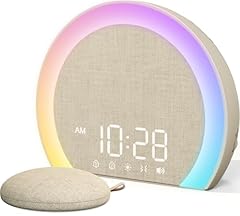

- Sound: aim for 75–85 dB peak with variable patterns rather than a steady tone.
- Light: dawn simulation ~300–500 lux at pillow height over 20–30 minutes aids gradual arousal.
- Setup: place the device across the room and combine sound + vibration + light for redundancy.
Quick picks
Quick picks to buy now


Science of waking How sleep physiology makes volume insufficient
Why heavy sleepers need smarter alarms
Heavy sleepers often fail to wake to regular alarms because waking is not just a matter of loudness. Two physiological concepts explain this: sleep inertia and the arousal threshold during deep NREM sleep. Sleep inertia is the groggy, impaired period after awakening; it is strongest when arousal happens from slow-wave (deep) sleep. The arousal threshold—how much stimulus is needed to shift brain state—rises during slow waves, so simple volume increases can be filtered out by the brain’s thalamic gating mechanisms.
Why volume alone often fails
Loud sounds are still processed primarily by the auditory pathway, which the sleeping brain can down-regulate. An abrupt very loud alarm can jolt someone awake but also creates fragmentation and extended grogginess. Familiar or meaningful sounds may be more effective than generic noise because salience influences cortical responsiveness.
How timing and multimodal stimuli help
Smart alarms raise effective arousal by combining two strategies: timing the wake moment toward lighter sleep and using multimodal stimuli that bypass or complement auditory gating. Examples:
- Gradual light ramps to engage retinal pathways and circadian alerting centers.
- Progressive volume and pattern changes to increase unpredictability and salience.
- Vibration (bed shaker) to stimulate somatosensory pathways.
- Voice prompts or familiar sounds to increase cognitive salience.
- Sleep-stage sensing or flexible wake windows that avoid deep-sleep awakenings.
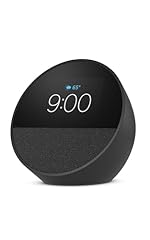
Many smart alarm devices, including compact Alexa-enabled clocks like the Echo Spot models, support routines that combine sound, screen brightness, voice, and connected smart bulbs or vibration accessories. For heavy sleepers, choose setups that prioritize timed wake windows and escalating, multimodal cues rather than raw loudness alone; this approach reduces sleep inertia and increases the chance of an effective, less jarring wake.
Buying checklist
Prioritized checklist for heavy sleepers (flag which Echo Spot meets each point)
- Multimodal stimuli (sound + light + haptics)
Heavy sleepers respond better when alarms combine escalating audio with visible light cues or a vibration source. Note whether the device supports progressive volume, adaptive light intensity, or pairs with a vibrating accessory.
Look forEscalating audio plus controllable screen/LED brightness and accessory vibration support; mention which Echo Spot variant supports each.AvoidSingle-mode alarms (audio-only) or fixed-volume tones that lack escalation or light cues. - Automation and anti-snooze routines
Routines that require interaction (smart‑light wake, location-based cutoffs, chained alarms) reduce missed wake-ups. Check whether the alarm integrates with Alexa routines and supports conditional triggers.
Look forFlexible Alexa routines, multiple chained alarms, and actions that escalate until acknowledged; flag which Echo Spot variant offers full routine control.AvoidRigid one-off alarms or devices that can be muted by a single tap without fallback. - Speaker profile and practical volume
Low-frequency energy and clear midrange aid arousal; higher max SPL helps but can distort. Assess clarity at high volume and bass presence for each Echo Spot variant.
Look forClear midrange, non‑distorting loudness, and adjustable EQ or presets noted per Echo Spot variant.AvoidThin, tinny drivers that rely solely on loudness without clarity. - Placement, accessory integration, and connection type
Placement (bedside vs. ceiling) plus smart-bulb, wearable, or pillow-vibrator integration improves outcomes. Confirm wireless options—local Bluetooth pairing vs cloud Wi‑Fi routines—and note which Echo Spot variant supports which connections.
Look forCompatibility with smart bulbs, wearables, or vibration pads and both Bluetooth and Wi‑Fi control; flag each Echo Spot variant's connectivity.AvoidProprietary, closed systems that prevent accessory pairing or rely exclusively on remote cloud connectivity.
Quick test before committing
Try the full wake sequence on the intended nightstand placement. Volume, screen angle, and proximity matter. If using external vibrators or bulbs, confirm pairing and that Alexa routines trigger reliably. Understand the trade-offs in connection type: Wi‑Fi or Bluetooth alarms—Bluetooth can be local and fast; Wi‑Fi enables cloud routines and remote edits.| Size | Speaker capability | Primary alarm stimuli | Ideal user scenario | Editor score | ||
|---|---|---|---|---|---|---|
| 4.5×4.1×4.4 in | Rich, full sound | Music + Alexa routines | Nightstand power users | 8.5/10 | Buy | |
| Echo Spot Glacier White: Nightstand Companion Best budget option | 4.5×4.1×4.4 in | Rich, full sound | Music + Alexa routines | Value-focused sleepers | 8.0/10 | Buy |
| Echo Spot Ocean Blue for Modern Desks Runner-up | 4.5×4.1×4.4 in | Rich, full sound | Music + Alexa routines | Style-forward sleepers | 7.5/10 | Buy |
Balanced smart bedside hub
Top-pick: versatile Echo Spot for most heavy sleepers
01 Best for nightstands and small rooms
A compact Alexa display that balances sound, routines, and bedside controls. Suits sleepers who want programmable, multimodal wake strategies without adding many separate devices.
- Flexible Alexa routines enable staged wakeups (lights, music, voice prompts)
- Compact display for quick time and weather checks at the bedside
- Clear, punchy audio that cuts through grogginess better than tinny alarms
- Works inside a broad smart-home ecosystem for multi-device coordination
- Screen is small — not a substitute for larger visual wake cues
- Routines require initial setup and occasional tweaking for timing
- Not a medical device; may need external hardware for very deep sleepers
Echo Spot is the balanced choice for users who want programmable, multimodal alarms without a lot of extra hardware. Its routines and compatibility make it easy to combine sound, lights, and connected devices for higher wake reliability. Add a wake light, a second Echo, or an external bed shaker for toughest sleepers.
Pairing suggestions:
Wake light + Echo Spot: program a slow ramping bedroom lamp via a smart plug or Zigbee bulb in the same routine to add gradual brightness. Multi-device alarm: stagger alarms across two Echo devices in different parts of the room to create spatial cues. External bed shaker: connect a third‑party vibrating pad to a smart plug or a compatible alarm module for tactile stimulation.Also check privacy concerns with smart alarms when enabling voice profiles, location, and cloud routines.
Best value under $50
Glacier White Echo Spot — Budget nightstand companion. A compact smart clock that keeps Alexa routines, a customizable display, and surprisingly full sound for its size. Suited to shoppers who want reliable smart-alarm basics on a tight budget and plan modest upgrades for heavier sleepers.
- Keeps Alexa routines and scheduled music/light ramps
- Compact display for time, weather, and glanceable info
- Better-than-expected sound for alarms and voice prompts
- Alone may be too gentle for very deep sleepers
- No built-in strong haptic alert or bed-shaker
- Smaller speaker and display than premium models
Solid value with smart routines. The Echo Spot delivers scheduled audio, gradual light routines, and clear voice control at a low price. Realistic expectation: heavy sleepers should pair it with one low-cost accessory (two-stage alarm via routines plus a vibration pad or smart bulb) to create multimodal stimulation that improves wake success.
- Fashionable Ocean Blue finish that suits modern bedrooms
- Compact smart bedside hub with Alexa and a configurable clock face
- Clear vocals and relatively rich bass for its size
- Hands-free routines and smart-home control from the nightstand
- Not loud or physically forceful enough alone for many deep sleepers
- Small screen limits visibility from across a room
- No built-in vibration or intensive multisensory wake features
- Relies on accessories for stronger, multimodal wakeups
The Ocean Blue Echo Spot pairs a sleek aesthetic with Alexa smarts and surprisingly clear small‑speaker sound. Choose this variant when bedside style and a compact smart display matter as much as wake functionality. For heavier sleepers, pair the Spot with a vibration pad, a very bright smart bulb, or a connected alarm accessory rather than relying on volume alone. If visual design or desk presence is the priority, this Spot makes sense over spending more on stronger wake hardware; if raw arousal power is the need, prioritize external wake tools instead.
Morning Routine
A practical, device‑agnostic wake routine for heavy sleepers
- 1) Build a progressive 10–15 minute ramp
Schedule three staged alarms over 10–15 minutes: a soft cue, a medium alert, then a full‑volume wake. On an Echo Spot, make an Alexa routine called “Wake—Ramp” that sets volume 20 and plays a gentle chime, waits 5 minutes, raises volume to 60 and plays a clearer tone, then waits again and raises to maximum with a loud alarm and an announcement.
- 2) Add a tactile secondary stimulus
Pair a bed shaker or vibration pad for physical feedback—either a dedicated USB shaker or a pad on a smart plug. In the Echo Spot routine, include an action to turn on the smart plug named “Vibe Pad” at the final stage so vibration and sound coincide.
- 3) Stagger multiple devices across 10–15 minutes
Place alerts in different locations (bedside Echo, phone across the room, hallway bulb) and stagger their start times so the environment escalates. Use separate Alexa routines or a single routine with Wait/delay steps and add actions like ‘Announce’ to other Echo devices and ‘Turn on’ smart lights.
- 4) Sync ramp end with likely light‑sleep windows
Time the ramp to end near a predicted sleep‑cycle boundary—multiples of ~90 minutes from estimated sleep onset—or use a sleep tracker to refine timing. Ending the escalation during lighter sleep increases chance of a clean wake.
- 5) Test, iterate, and remove easy snooze
Run dry runs on noncritical mornings to adjust volumes, delays, and device placement; shorten or lengthen waits based on responsiveness. In Alexa routines, omit snooze options and add a fallback action (extra vibration or light) if the first sequence is ignored.
Example Echo Spot routine names: “Wake—Ramp,” “Vibe Pad On.” Use smart plugs and lights compatible with Alexa for seamless automation.
Troubleshooting Q&A
Quick fixes for silent alarms, snooze-proofing and drift
Alarm is silent — immediate checks?
Confirm the Echo Spot is powered, volume is up, and the selected alarm sound isn’t set to a low or silent tone. Check Bluetooth output and speaker group settings so audio isn’t routed elsewhere, and verify Do Not Disturb or scheduled quiet hours aren’t blocking alarms.
Clock or alarm times drift — why?
Confirm device time zone and location in the Alexa app; time sync relies on network connection and the device’s NTP service. A router or Spot restart often forces resynchronization; if routines use sunrise/sunset, ensure location permission is enabled.
How to make alarms snooze‑proof?
Use staggered alarms across devices and multimodal cues: pair the Spot with a vibration pad, smart bulb, or a plugged-in lamp to add tactile and visual stimuli. Place the Spot out of arm’s reach and require multiple actions in a routine (lights on, then audio) to increase arousal and reduce single‑tap snoozes.
Maintenance steps and firmware updates?
Check the Alexa app for updates and follow vendor guidance for keeping alarm firmware updated. Periodic restarts, clearing or re-saving routines, and a factory reset as last resort fix persistent glitches.
When to add a backup alarm or replace the device?
Use a phone or battery travel alarm for critical appointments, power outages, or travel. If speaker output, time sync, or routine execution repeatedly fail after updates and resets, consider warranty support or replacement.
Wrap-up
Final buying checklist
- Deep sleepers — Echo Spot (top pick) + under‑pillow vibration pad: tactile + audio + display in a 10–15 minute staggered ramp.
- Tight nightstands / budget — Echo Spot Glacier White + compact smart bulb: preserves footprint while adding gradual light for stronger arousal.
- Style-conscious desks — Echo Spot Ocean Blue + smart plug (lamp or extra speaker): keeps the look but extends multimodal stimulus.
Quick match: pick the Echo Spot variant that aligns with bedside constraints, then add one targeted accessory to cover the wake gap. Hedged recommendation: for most heavy sleepers, the Echo Spot top pick paired with a vibration pad and a short, staggered light/sound routine will most reliably overcome sleep inertia; Glacier White and Ocean Blue suit tighter budgets or style priorities when paired with the accessories above.


Related Guides: Heavy Sleepers Alarm Clocks

Best Heavy Sleepers Loud Alarm Clocks