How Do You Build a School Morning Routine for Kids?
A good school morning routine for kids makes time visible. Use a simple clock, a short checklist, and repeatable time blocks so the child knows what happens next without hearing the same reminder ten times.
Simple School Morning Timeline
| Time block | Child action | Parent support |
|---|---|---|
| Wake-up | Get out of bed, bathroom | Use the same wake cue each day. |
| Dress | Clothes already chosen | Keep choices limited. |
| Breakfast | Eat at table | Avoid screens during this block. |
| Pack check | Backpack, lunch, water | Use a door checklist. |
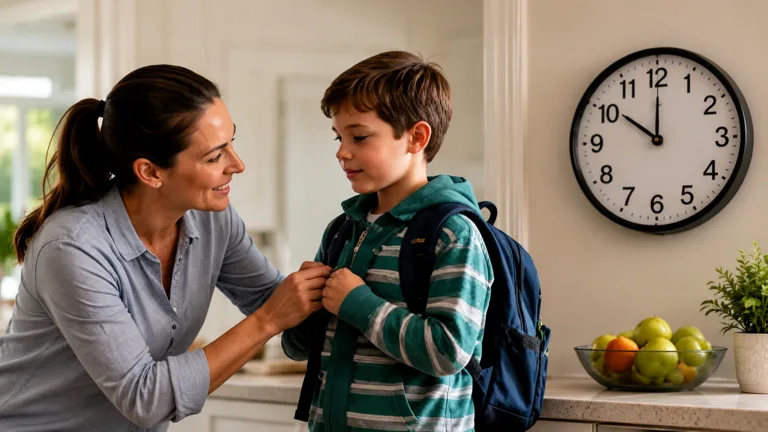
| Leave | Shoes, coat, exit | Keep the clock visible near the door. |
Make the Clock Part of the Routine

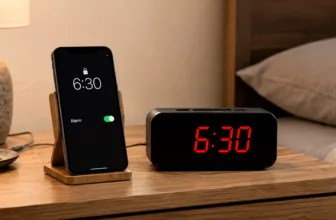
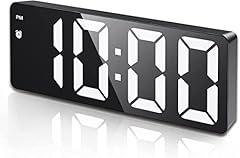
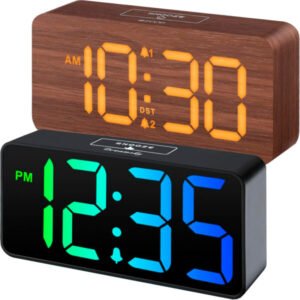
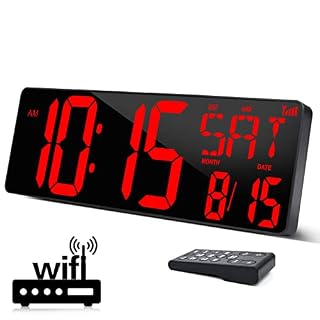
For younger kids, time is abstract. A visible clock near the routine area helps only if it is tied to a clear cue: "When the big hand is on 6, shoes are on." For older kids, a digital clock can make the leave time harder to argue with.
Use Fewer Reminders
Too many reminders can become background noise. Replace repeated verbal prompts with one visible checklist that tells the child what to do next and which clock cue to watch.
| Checklist item | What the child does | Clock cue |
|---|---|---|
| Clothes | Put on the outfit chosen the night before. | Before breakfast starts. |
| Bathroom | Wash up, brush hair, and use the bathroom. | Before the next timer block. |
| Breakfast | Sit down and eat without screens. | Timer ends when shoes should start. |
| Teeth | Brush teeth after breakfast. | After breakfast timer ends. |
| Backpack | Check lunch, water, homework, and folder. | Before the door clock reaches leave time. |
| Shoes | Put on shoes, coat, and grab the bag. | Final five-minute warning. |
| Out the door | Leave without restarting the checklist. | Fixed leave time on the visible clock. |
Put the checklist where the routine breaks down most: bedroom door, bathroom mirror, breakfast spot, or the exit area. The goal is fewer spoken reminders, not a longer morning script.
When a Clock Helps
| Problem | Clock-based fix |
|---|---|
| Child loses track of time | Visual timer or large digital clock. |
| Morning arguments | Door clock with fixed leave time. |
| Slow breakfast | Timer block, not repeated warnings. |
| Sibling conflict | Separate checklist lanes. |
| Parent repeats everything | Checklist plus clock cue. |
Related Guides



School Morning Routine for Kids FAQ
What should be in a school morning routine?
Use only the actions that must happen before leaving: wake up, dress, bathroom, breakfast, teeth, backpack, shoes, and out the door.
How do I make kids move faster in the morning?
Reduce choices the night before and make the next step visible. A clock helps when it is tied to a specific action, not used as a threat.
Is a visual timer better than an alarm clock for kids?
A visual timer is better for short routine blocks. An alarm clock is better for wake-up time. Many families use both.