
What Sleep Schedule Works for School Mornings?
A teen sleep schedule should work backward from school start time, commute, breakfast, and the wake-up routine. If school starts early, the goal is not to force an instant early bedtime. The goal is to protect enough sleep opportunity and make mornings less chaotic.
School Morning Backward Planner

| Step | Example |
|---|---|
| School starts | 8:00 AM |
| Leave home | 7:25 AM |
| Wake-up routine | 45 minutes |
| Target wake time | 6:40 AM |
| Bedtime planning | Work backward from required sleep and fall-asleep time |
CDC notes that the American Academy of Pediatrics recommended middle and high schools start no earlier than 8:30 AM. Many families cannot change school start time, so the home routine has to reduce friction where it can.
Build the Routine Around Fewer Decisions
Teens do better when the morning is not a chain of fresh decisions. Put clothes, bag, charger, water bottle, and breakfast choices in place the night before. The alarm should start a routine that is already visible.
Alarm Setup by Teen Type
| Teen situation | Better alarm setup |
|---|---|
| Shares a room | Wrist vibration or low-volume alarm first. |
| Sleeps through phone alarms | Separate alarm across the room. |
| Scrolls late at night | Phone outside the bedroom or away from bed. |
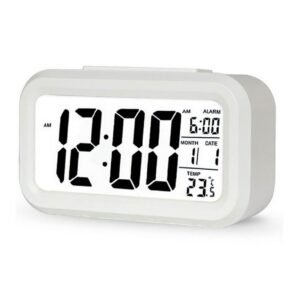
| Needs visual cues | Digital clock plus morning checklist. |
| Wakes anxious | Softer first cue, then backup alarm. |
What Parents Should Avoid
Related Guides


Teen Sleep Schedule for School Mornings FAQ
What time should a teenager go to bed for school?
Start with the required wake time, then work backward from the teen's sleep need, commute, morning routine, and fall-asleep time. Do not treat a single bedtime as universal.
Should teens use their phones as alarms?
Only if the phone does not keep them awake. If scrolling is part of the problem, move the phone and use a separate alarm.
How do I help my teen wake up without fighting?
Make the routine visible, reduce morning decisions, and use an alarm setup that fits the problem: vibration, distance, light, or stronger sound.