
Should You Wake Up With Sunrise?
Sunrise time is useful for planning a gentler wake-up routine, but it should not be the only cue. Use sunrise as one input: set a consistent wake time, get light soon after waking, and use an alarm backup when you must be up on time.
Use a Sunrise Time Source
Use a trusted sunrise and sunset calculator for your ZIP code or city, then plan the alarm around the time you actually need to be up. Sunrise changes by date and location, so a generic time copied from another city can be misleading.
How Sunrise Timing Changes the Wake-Up Plan

| Situation | Better setup |
|---|---|
| Sunrise is before your alarm | Open curtains or use morning light after waking. |
| Sunrise is after your alarm | Use a sunrise alarm or bright room light as a cue. |
| You wake before sunrise in winter | Keep the alarm reliable and add light after waking. |
| You wake with a partner | Use vibration or low-volume alarm first, then light. |
| You travel across time zones | Use local sunrise as a reset cue, but keep a manual alarm. |
Why Light Helps the Routine
Morning light is a timing cue. For a practical wake-up plan, the goal is not to chase a perfect sunrise. The goal is to make the first 15 minutes after waking easier and more consistent.
When a Sunrise Alarm Makes Sense
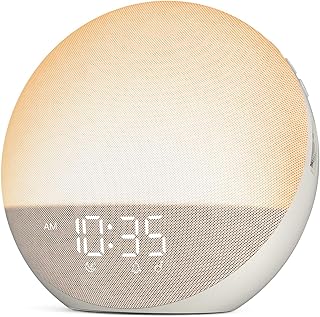
A sunrise alarm is useful when your room stays dark at wake-up time, your alarm feels too abrupt, or you want a softer cue before sound. It is less useful if you sleep through light, need a very loud alarm, or share a room where light would bother someone else.
Mistakes to Avoid
Mistake 1: Replacing the alarm with sunrise only
Natural sunrise is not reliable enough if you have a fixed work, school, or travel schedule.
Mistake 2: Using bright light too late at night
Bright light near bedtime can make the room feel more alert when you are trying to wind down. If you use a wake-up light, keep evening brightness low and reserve stronger light for the morning.
Mistake 3: Buying a sunrise alarm without checking dimming
The display and light levels must work in a dark bedroom. A bright screen can undo the benefit.
Related Guides




Sunrise and Sunset Wake-Up Time Guide FAQ
Is it better to wake up with sunrise?
It can feel easier for some people because light is a natural timing cue. Still use an alarm backup when the wake-up time matters.
What if sunrise is after I need to wake up?
Use a consistent alarm and add artificial light after waking. A sunrise alarm can help if it is bright enough and dimmable enough for your room.
Should I use sunset time to choose bedtime?
Sunset can help shape evening routine, but bedtime should also account for wake-up time, total sleep need, work or school schedule, and how long it takes you to fall asleep.
Alternatives to Hatch Alarm Clocks

Best Sunrise Alarm Clocks

Top 6 Best Hatch Alarm Clocks to Start Your Day Right