
When Do Clocks Change in the USA?
In most of the United States, daylight saving time starts on the second Sunday in March and ends on the first Sunday in November. In 2026, clocks spring forward on Sunday, March 8, and fall back on Sunday, November 1.
2026 U.S. Clock Change Dates
| Event | Date | What happens |
|---|---|---|
| Daylight saving time starts | Sunday, March 8, 2026 | At 2:00 AM, clocks move forward one hour. |
| Daylight saving time ends | Sunday, November 1, 2026 | At 2:00 AM, clocks move back one hour. |
Some U.S. areas do not observe daylight saving time. Keep a state/territory exception note near the date table and link to an authoritative date source.
What "Spring Forward" Means for Your Alarm
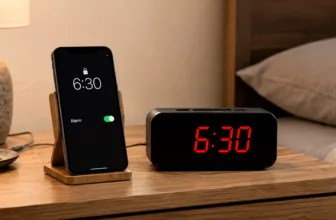
"Spring forward" removes one hour from the night. If your alarm is set for 6:30 AM, it still rings at 6:30 AM local clock time, but your body may feel like it is waking an hour earlier.
The practical fix is to shift bedtime and wake time earlier in small steps during the week before the change. Even 15 minutes per night is easier than trying to absorb the full hour on Monday morning.
What "Fall Back" Means for Your Alarm
"Fall back" gives the clock an extra hour. Many people treat it as a free sleep hour, but the morning light and evening darkness change. If you have kids, pets, medication reminders, or a fixed work schedule, check all clocks the night before.
Clock-Change Checklist

Which Clocks Usually Need Manual Attention?
| Clock type | Likely behavior | What to check |
|---|---|---|
| Phone | Usually updates automatically | Make sure the time zone setting is automatic. |
| Smart speaker/display | Usually updates automatically | Check alarm time after the switch. |
| Basic digital alarm clock | Often manual | Reset time and test alarm. |
| Atomic clock | May update after receiving a signal | Check time-zone setting and manual fallback. |
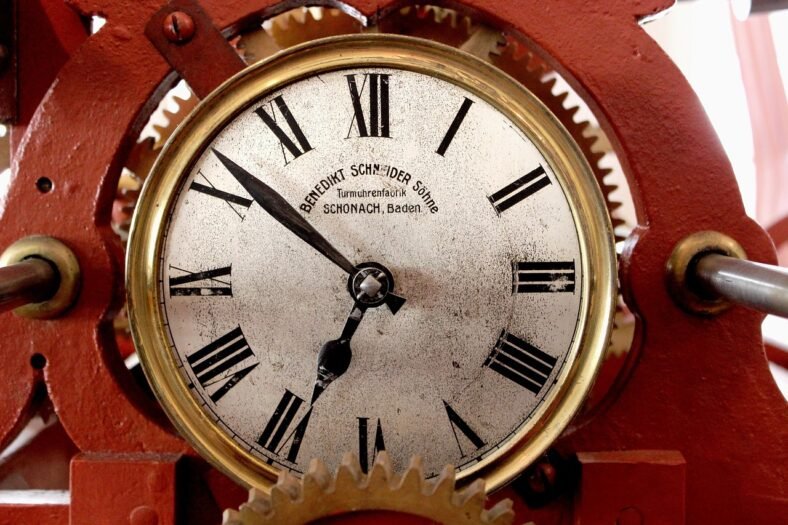
| Analog wall clock | Manual | Move hands and check battery if slow. |
Related Guides




Daylight Saving Time USA: When Do Clocks Change? FAQ
Do clocks go forward or back in March?
In March, most U.S. clocks move forward one hour at the start of daylight saving time.
Do clocks go forward or back in November?
In November, most U.S. clocks move back one hour when daylight saving time ends.
Will my phone change automatically?
Usually yes, if automatic time zone settings are enabled. Manual clocks and some alarm clocks still need checking.
Why does daylight saving time affect sleep?
The clock changes by one hour, but your body rhythm may not adjust immediately. That mismatch can make the first few mornings feel harder.