

- Top pick — TIKROUND 12888 Quartz DIY Wall Clock Movement: tested as a balanced, low-resonance option; compatible with standard shafts.
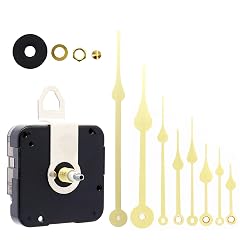
- Great value — TIKROUND 12888 Quartz Gold Hands DIY Movement: includes hands matched to the movement, reducing risk of heavy-hand ticking.
Confirm hand weight and shaft fit; firm mounting or rubber washer reduces resonance.
Quick picks
Two instant buys: quieter high‑torque and a budget aesthetic option

Noise anatomy Break down the noises inside a quartz clock
What ‘quiet’ actually means
“Quiet” is not a single trait — it’s a combination of several distinct sounds and how strongly the case transmits them. Identifying the source makes quieter replacements more predictable.
- Stepping motor noise: the electrical pulse that advances the second hand. Some modern movements use micro‑stepping or sweep motors to reduce discrete clicks; listen close to the motor housing to isolate this.
- Gear and mounting noise: loose gears, poor lubrication, or a poorly seated movement create rattles and intermittent ticks rather than regular steps.
- Hand slap: when long or heavy hands contact the dial or glass once per rotation, producing a thud louder than the motor itself.
- Case resonance: thin panels or hollow frames amplify and color any small vibration into a noticeable tick.
Methodology (concise):
- Fit a fresh battery, place the clock on a soft pad, and record at a fixed distance with a phone mic.
- Note whether sound is continuous (motor) or intermittent (hand slap/gear).
- Retest after removing hands and after isolating the movement with rubber washers.
Use relative comparisons rather than absolute numbers to judge improvement.
Buying checklist
Prioritized, scannable replacement‑movement checklist
- Motor type & torque
Choose a quiet stepping motor with higher torque for heavy hands or large dials; higher torque often runs slower but reduces strain and clicking. If unsure about sizing or torque needs, consult the what clock movement do I need guide.
Look forHigh‑torque, low‑step/continuous sweep motorAvoidLow‑torque, high‑step motors for heavy hands - Shaft dimensions & hands fit
Match shaft length, diameter, and style (standard vs. threaded) to existing hands; mismatched hubs cause slap or rubbing. Confirm minute‑hand hole size and clearance for layered or ornate hands.
Look forExact shaft length/diameter and correct hub typeAvoidAssuming universal fit without measuring - Mounting, case fit and damping
Check mounting plate thickness, nut size and whether the movement sits flush; add foam gaskets or silicone pads to isolate vibration. For resonant cases, prioritize movements with rubber mounts or purchase damping separately.
Look forCompatible mounting depth and vibration isolationAvoidRigid mounts in thin or resonant cases - Power consistency, materials and longevity
Prefer movements with stable voltage use, brass/bearing pivots, and replaceable shafts for longevity; battery drain that varies with torque indicates poor efficiency. Plastic gears are fine for light hands but choose metal gearsets for frequent use.
Look forStable current draw, metal pivots, replaceable partsAvoidFragile plastics and unknown power behavior
Top pick noise & fit
Top pick for quiet, high‑torque DIY repair
Top pick for DIY clock repair
TIKROUND 12888 is a long‑spindle, high‑torque quartz movement built for DIY wall clocks with thick dials and large hands. It suits hobbyists repairing oversized or deep‑panel clocks who need a durable motor that can drive heavy hands without stalling.
In practice the sweep-style motor greatly reduces the distinct step impulse that makes conventional quartz movements sound like ticking: the rotor moves more continuously, so the prominent per-step ‘clack’ is largely gone. That said, tiny impulses still occur and will transmit as audible ticks when mounted to hard, resonant cases or when heavy/poorly balanced hands contact the dial. Expect to spend a short tuning session installing a soft rubber or foam isolator, seating the shaft with a felt washer, trimming or balancing hands for clearance, and avoiding overtightening the mounting nut to minimize transmitted vibration.
- Near‑continuous sweep reduces step noise
- High torque drives large hands reliably
- Long spindle fits thick clock panels
- Complete DIY kit for repairs
- Vibration can transmit through rigid cases
- Heavy or misaligned hands may still tick
- Requires isolation and hand‑balancing to be quiet
- Basic mounting hardware; add damping materials
Value DIY Movement
Bundled Hands for Light DIY Projects
Excellent value with long shaft options
Budget DIY movement with decorative gold hands. A low-cost replacement offered as a complete kit with several aesthetic hands and a long spindle, aimed at casual clock makers and quick repairs where light, attractive hands matter more than industrial-grade torque or absolute silence.
- Includes decorative gold hands for instant styling
- Long spindle fits thicker dials and large faces
- Affordable and easy to install for hobby projects
- Sufficient torque for light, low-mass hands
- Motor is less robust under heavy or unbalanced loads
- Coarser stepping and cheaper gearing can increase ticking
- Bundled hands may require balancing or trimming
- Unit-to-unit quality variance can affect quietness
top pick TIKROUND 12888 Quartz DIY Wall Clock Movement | great value alternative TIKROUND 12888 Quartz Gold Hands DIY Movement | |
|---|---|---|
| | | |
| Torque | High (suits heavy hands) | Moderate‑high |
| Motor type | Quartz stepper (high‑torque) | Quartz stepper (STEP high‑torque) |
| Shaft & panel fit | Total 18.5 mm; thread 8 mm; panel 4–8 mm | Total ~18–18.5 mm; thread 5 mm; panel 2–6 mm |
| Likely noise | 1 | 2 |
| Buy | Buy |
Install & Quiet
Step‑by‑step installation and noise‑reduction checklist
- 1) Measure shaft and panel
Confirm shaft length, thread type and panel thickness with calipers before ordering; record hand lengths so minute and second hands clear the dial by ~0.5–1 mm.
- 2) Decouple the movement
Isolate the movement from the case using a rubber gasket, foam pads, or an isolation washer; secure without overtightening to avoid transmitting resonance.
- 3) Fit hands and check clearance
Press-fit hands concentrically, then rotate the movement a full 12‑hour cycle to check for rubbing or vertical contact between hands and dial.
- 4) Balance or replace heavy hands
Lighten heavy metal hands by trimming/file work or swap to lighter hands (such as the bundled gold option) to reduce motor load and hand slap.
- 5) Quick troubleshooting checklist
Verify fresh batteries and firm quarter‑hour seating, inspect for play in the cannon pinion, and try temporary foam dampers at contact points; persistent ticks may need a different motor type.


Myths
Silent‑movement myths debunked
Sweep lowers step noise but doesn’t remove hand slap, gear chatter, or case resonance.
Motor quieting addresses one noise path; remaining sources transmit vibration and can still produce audible ticking.
Fresh batteries restore stable voltage but won’t fix loose hands, misaligned shafts, or resonant cases.
Power problems cause erratic stepping, but most ticking sources are mechanical and unaffected by battery swaps.
Targeted light lubrication can reduce gear noise, but over‑lubrication attracts grime and increases drag; hand slap is unaffected.
Lubricant changes friction and resonance; inappropriate use often worsens noise or stresses the motor.
Decision
Quick decision flow and next steps
- Prefer a sweep/high‑torque movement (e.g., the top‑pick TIKROUND 12888) if hands are heavy or silence is a top priority.
- Choose the bundled hands budget option for light hands and low‑force clocks where cost and simplicity matter.
- If ticking persists after a swap, isolate hand slap and mounting resonance before blaming the motor.
Decision flow: if heavy hands or persistent motor clicks, prioritize a sweep high‑torque movement; if hands are light and budget matters, the bundled gold‑hands option is acceptable. Next steps: measure shaft length, order the compatible movement, install with a thin damping washer, then test on a soft surface and tweak hand spacing or add foam damping if ticking remains.
Alternatives to Modern Quartz Wall Clocks

Best Modern Non Ticking Quartz Wall Clocks

Best Modern Quartz Wall Clocks

Best 3D Home Decor Quartz Diy Wall Clocks

Best Battery Operated Quartz Wall Clocks